This Sunday, May 17th, I will be co-hosting an information session for this September’s sketching trip in Prague; the session will feature an overview, Q & A, and some fun hands-on activity related to one of the artists I’ll be talking about on our trip. More information about the program can be found here.
This May and June, I will be delivering two public lectures at the Vancouver Island School of Art. More information here.
Thank you again to Deluge Contemporary, Victoria, for hosting the first instalment of a reading series I have been helping to coordinate along with poet Matt Wall, Internal Trade. News about the June reading coming soon…
Over the past year, I have been working to develop a practice at the crossroads of teaching, creativity and therapy. This past autumn, I workshopped ideas and source material with a wonderful group of friends, colleagues, and former students, and have this to share.
The Course
The Creative Recovery course is designed to help people live more creative lives. I have built it around Julia Cameron’s popular book The Artist’s Way, as well as twenty-two years of experience as an art instructor, artist and writer.
At its heart, The Artist’s Way is a self-help book that looks at creativity – the practice of art of any kind – as a form of therapy. It has a strong emphasis on self-work, looking at motivations, personal history, and habit formation. Some subjects include overcoming negative narratives, establishing creative routines, setting boundaries, and finding inspiration in your environment. Readers are asked to journal daily and take themselves on weekly excursions that will stimulate their sense of aesthetics and adventure, finding space in everyday life for moments of attention, imagination and reflection.
This book has been popular for decades, but is notorious for being challenging to complete alone. Many find it helpful to work through it in a group. My job is to help facilitate, but also draw themes and tools out of the book and present them in ways that help to make them more accessible; this is especially true for those who struggle with some of the religious concepts used by Julia Cameron in The Artist’s Way.
Though this course is great for people who would not necessarily self-identify as ‘professional creatives’ it has also been surprisingly helpful for those who are looking for a group connection, dedicated time, structure, inspiration, constructive feedback, or perhaps a new way forward.
The Schedule
The course consists of twelve weekly online sessions, with a one week break in the middle – Monday evenings (6 PM – 8:30 PM Pacific) from May 18th-August 10th.
Each session we review exercises, readings and tasks from the previous week and talk about ways your experiences inform your creative identity. I present images & stories each week that look at the work of artists, writers, filmmakers, designers, performers, etc, leading to a new, themed exploratory for the week. If speaking up in a group setting is not for you, you can communicate your questions & observations to me via direct message, and I will voice them.
Twice in the 12-session term, you and I will schedule a one-on-one online session to discuss your progress. I will offer constructive feedback aimed at helping you to recognize the discoveries that are taking place from a broader perspective, and explore new paths of reflection and growth.
You may find trying to describe your impressions and experiences is itself a creative act. You may recognize that your curiosity becomes something that develops its own momentum, becoming a perspective – or even a project – you can share with others. You may find that others’ curiosity, momentum and project ideas enrich your own in surprising ways.
Registration
If this sounds like something you’d like to be a part of, you can register directly on through the website for the founder’s rate of $650. If this number presents an obstacle, I reserve a number of reduced-fees spaces each term and would be happy to accommodate you – just contact me at info@lunamariscreativementoring.com to learn more. I would be honoured to have you join us.
Thanks for your attention!
John Luna.
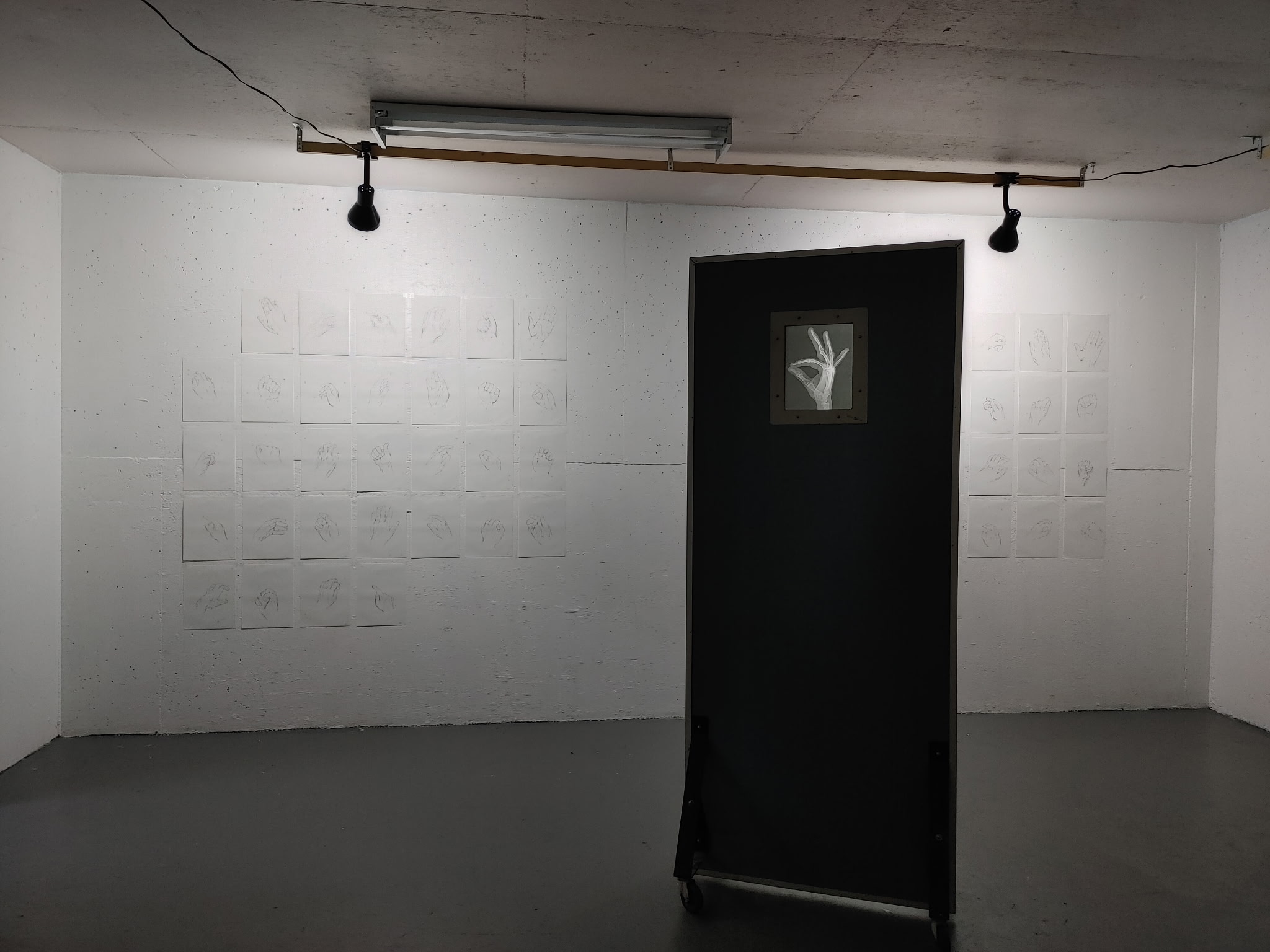
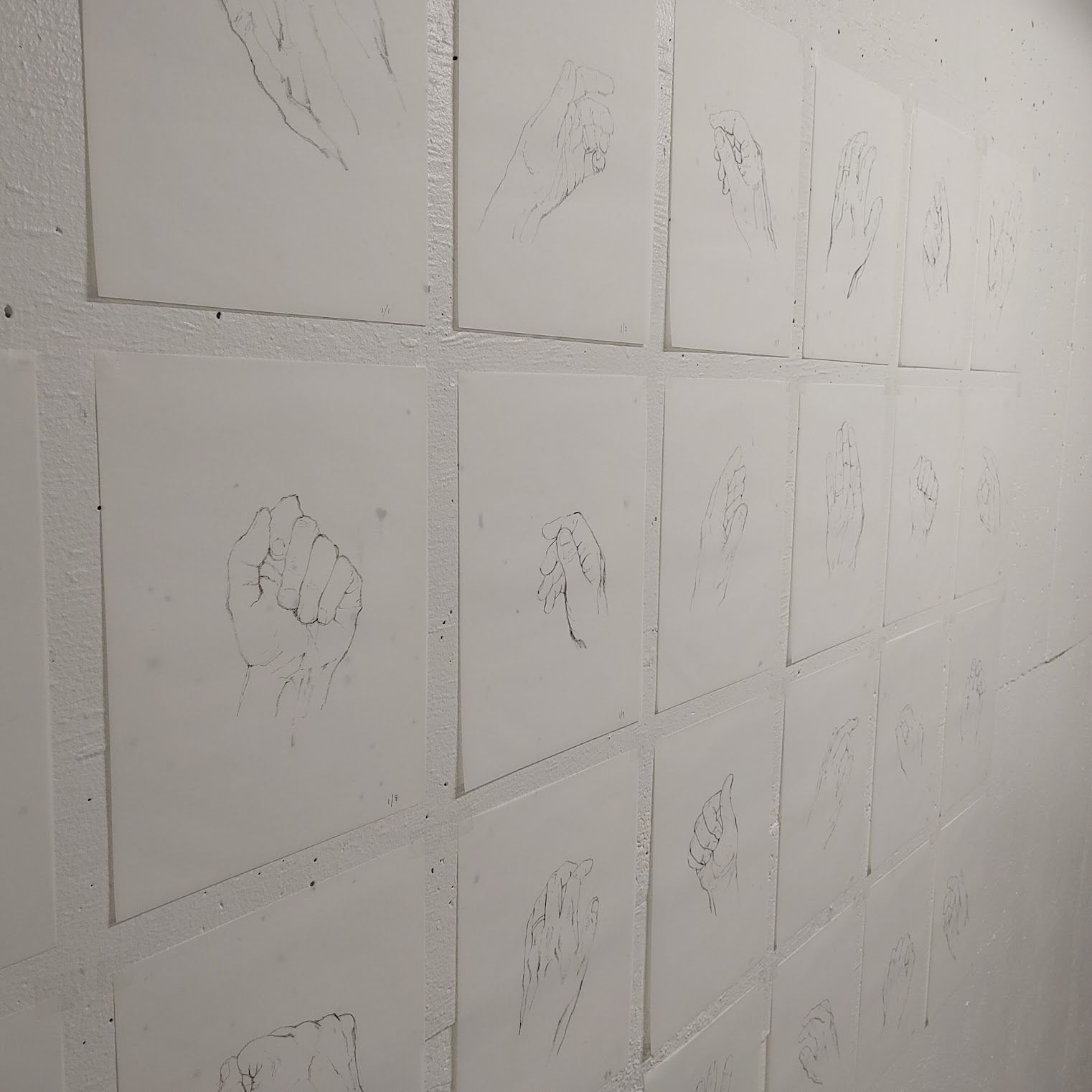
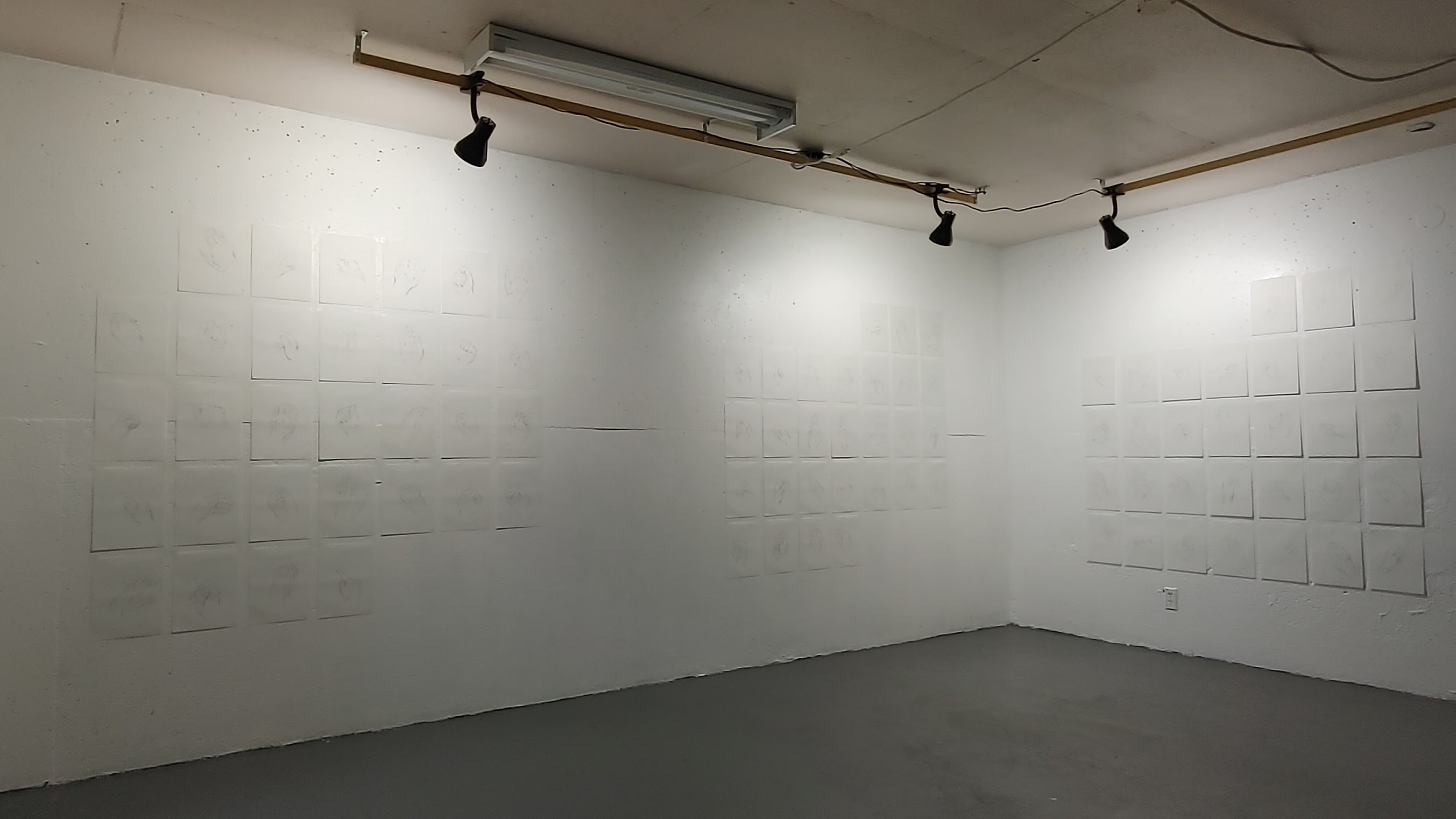
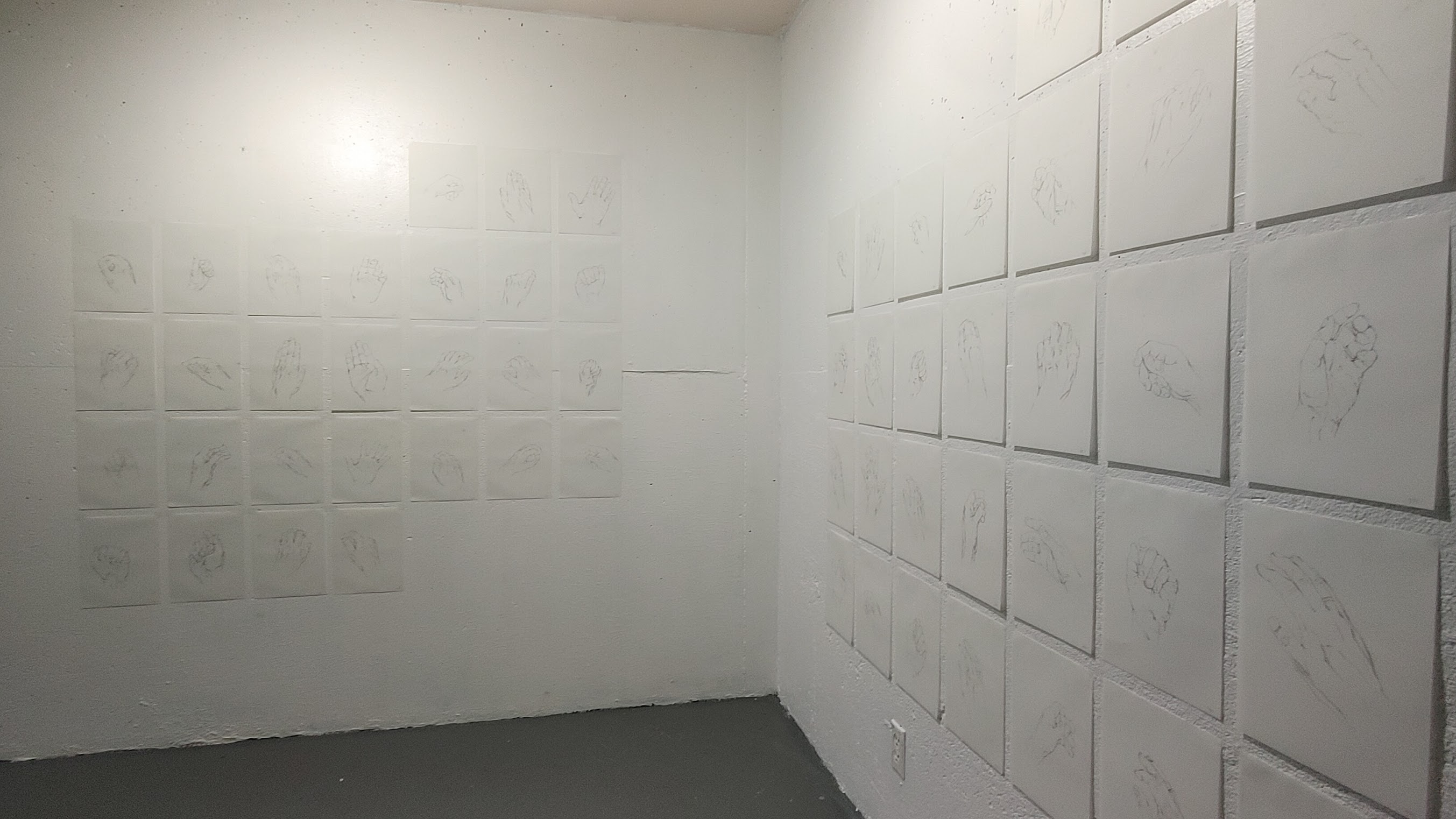
This short essay was written to accompany Tyler Hodgins’ Installation Again and Again at the Vault Gallery [Aug 7, 2025]
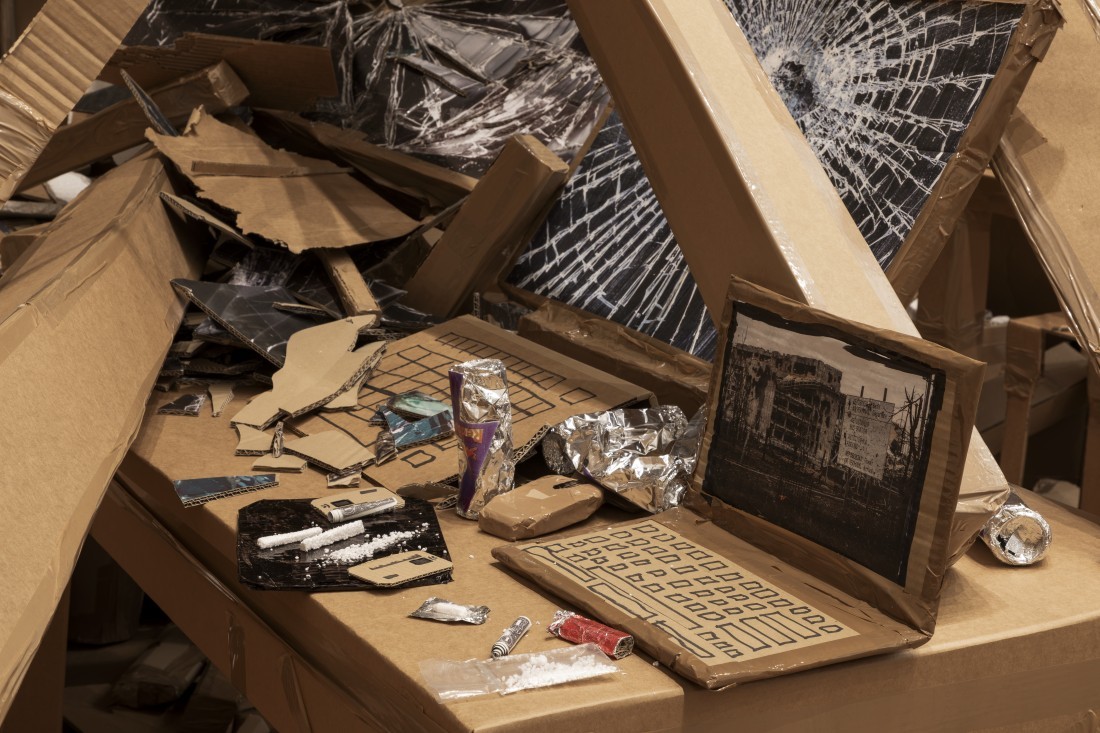
My review of Thomas Hirschhorn’s exhibition “Fake it, Fake it – till you Fake it.,” at Gladstone Gallery, NYC: https://bordercrossingsmag.com/article/thomas-hirschhorn-2
Here is a passage from Walter Benjamin’s essay, “Unpacking my Library.” that I like:
Every passion borders on the chaotic, but the collector’s passion borders on the chaos of memories. More than that: the chance, the fate, that suffuse the past before my eyes are conspicuously present in the accustomed confusion of these books. For what else is this collection but a disorder to which habit has accommodated itself to such an extent that it can appear as order?
Thinking of the circumstances of Benjamin’s death in flight, his writing about the packing and unpacking of his library seems horribly poignant, but also makes me think about the present state of memory. Post-pandemic especially, we’re used to being unsettled in almost every sense of the word, and distrust our ability to remember clearly and, especially, chronologically. Is his acknowledgement of a house made of chaos especially relevant now?
These poems accommodate chaos in memory. They are the product of a practice of reading back into things that were read, overheard, watched, walked alongside, and otherwise absorbed… As in a song, a painting, a scrap of conversation long since detached from its context and carried for days, months or years before being found a second time, aligned and offered to the flow of the poem’s becoming.
Poems: “Sheer curtains of the forest”; “Space between eclipses”
I have been very fortunate to have worked with a handful of editors who provided thoughtful responses to poetry submissions, notably to those they rejected. Christopher Fields of Neologism has certainly been one of them, always responding in a timely way and often with specific comments about what was more and less suitable for the journal. “Lamp Black Brogues”, a poem from a (so far uncollected) series addressing clothing, was the first thing of mine to be published there.

